Waking Up with a Headache? You Might Be Grinding Your Teeth in Your Sleep
By Mandy Davidson on 11/24/2025
The alarm goes off, and before you even open your eyes, you feel it: a dull, persistent ache radiating from your jaw up through your temples. Your neck feels tight, and there’s tenderness along your cheekbones that wasn’t there yesterday. You might dismiss it as sleeping in an awkward position or perhaps tension from staring at screens all day. While those factors can certainly contribute to morning discomfort, there’s another culprit that often goes undetected until significant damage has already occurred: bruxism, the clinical term for teeth grinding.
The phenomenon has become increasingly prevalent in recent years. According to a 2021 survey conducted by the American Dental Association, more than 70% of dentists across North America reported seeing increases in stress-related oral health conditions, with cracked and chipped teeth leading the list. The timing wasn’t coincidental. The sustained uncertainty and pressure that many professionals experienced since 2020 manifested physically in ways that surprised even seasoned dental practitioners.
The Stress Connection
Understanding the relationship between daily stress and nighttime grinding requires looking at how our bodies process tension. When we experience stress during waking hours, our sympathetic nervous system activates, preparing us for “fight or flight.” For many people, this response involves clenching the jaw. It’s an unconscious protective posture, as if bracing for impact.
Research published in the Clinical Oral Investigations journal demonstrates a clear correlation between elevated stress levels and increased bruxism episodes, with participants experiencing higher stress scores showing significantly more grinding activity during sleep. Nearly 70% of bruxism cases appear to be connected to stress or anxiety, according to research compiled by the National Institutes of Health.
What makes nocturnal bruxism particularly insidious is that it happens outside our conscious control. While we sleep, our brain continues processing the day’s events and emotions. For some individuals, this processing translates into hours of sustained jaw clenching and tooth grinding. The forces involved can be substantial, far exceeding the pressure applied during normal chewing. Over time, these nightly sessions exact a serious toll on dental structures.
Sleep bruxism appears to be regulated by the central nervous system, involving autonomic and brain activity related to arousal or alertness. According to the National Institutes of Health, sleep bruxism seems to be an exaggerated response to natural sleep-related microarousals. Seconds before grinding episodes, affected patients demonstrate rapid-frequency brain activity, elevated heart rate, increased jaw and throat muscle tone, and changes in respiratory patterns. This explains why people often experience more severe grinding during periods of poor sleep quality, creating a vicious cycle where stress disrupts sleep, which in turn intensifies grinding behavior.
What Else Triggers Grinding?
Stress isn’t the only factor. Research published in the Journal of the American Dental Association found that lifestyle habits play a significant role. The odds of sleep bruxism increase almost two times for those who drink alcohol regularly, about 1.5 times for heavy coffee drinkers (more than eight cups daily), and more than two times for current smokers.
The Mayo Clinic notes several additional risk factors worth considering. Personality type matters: people with aggressive, competitive, or hyperactive tendencies show higher rates of bruxism. Certain medications can trigger grinding as a side effect, particularly some antidepressants (SSRIs like Prozac, Zoloft, and Paxil), ADHD medications, and seizure treatments. There’s also a genetic component. Sleep bruxism tends to run in families, so if your parents ground their teeth, you’re more likely to as well.
People who clench or grind during sleep are also more likely to have other sleep disorders, including snoring and sleep apnea. The connection between sleep apnea and bruxism is particularly strong, with research showing that obstructive sleep apnea nearly doubles the odds of sleep bruxism.
Recognizing the Signs

Morning headaches represent just one indicator of nocturnal grinding. Many people also experience jaw soreness, facial pain, and tooth sensitivity, particularly to temperature changes. Some notice that their teeth appear flatter or more worn than they remember. Partners might report hearing grinding noises during the night, though not all bruxism is audible.
The dental consequences extend beyond cosmetic concerns. Chronic grinding can lead to cracked teeth, fractured fillings, and damage to dental crowns. In severe cases, the protective enamel layer wears away entirely, exposing the softer dentin underneath. This not only increases sensitivity but also makes teeth more vulnerable to decay. The temporomandibular joints (TMJ), which connect the jawbone to the skull, can become inflamed and painful from the constant strain.
According to the National Institutes of Health, the prevalence of sleep bruxism in the general adult population ranges from 8% to 16%, though these numbers may underestimate the true scope since many cases go undiagnosed. Some estimates suggest the global prevalence of bruxism (both sleep and awake forms combined) reaches as high as 22%. The condition affects people across all age groups, though presentation and severity can vary considerably. Sleep bruxism is actually most common in children, affecting 15% to 40% of kids, but most outgrow it by adulthood.
The TMJ Connection
The temporomandibular joint is one of the most complex joints in your body. It acts like a sliding hinge, connecting your jawbone to your skull on both sides of your face. When bruxism puts excessive strain on these joints night after night, the consequences can extend far beyond tooth damage.
TMJ disorders affect roughly 34% of the global population to some degree, making them the second most frequent cause of facial pain after dental pain. Symptoms include clicking or popping sounds when opening the mouth, difficulty chewing, a feeling that the jaw is “locked,” and pain that radiates to the ear, face, or neck.
While bruxism and TMJ disorders are distinct conditions, they frequently occur together and can worsen each other. The constant pressure from grinding strains the joint, while an already compromised TMJ can alter bite patterns in ways that promote more grinding. Breaking this cycle often requires addressing both issues simultaneously.
The Protection Strategy
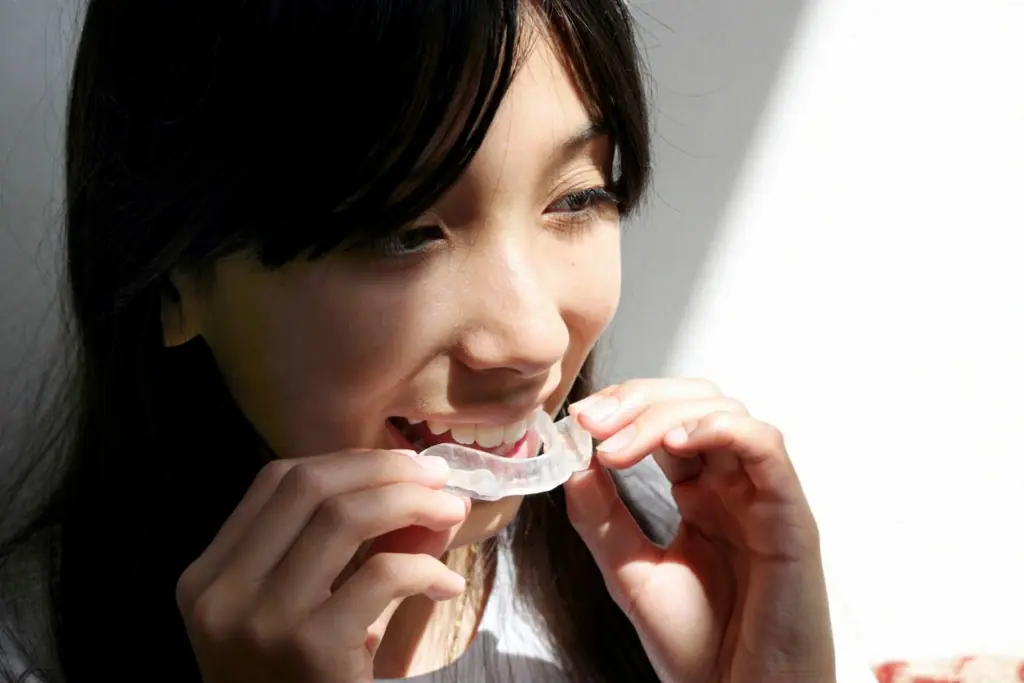
Addressing bruxism requires a multi-faceted approach. While managing daytime stress through exercise, meditation, or therapy can help reduce grinding intensity, most people need additional protection during sleep. This is where a properly fitted nightguard becomes essential.
Think of a nightguard as protective equipment, similar to how athletes wear mouthguards during contact sports. The appliance creates a barrier between upper and lower teeth, distributing the forces generated during grinding across a broader surface area. This prevents direct tooth-to-tooth contact that causes chips, cracks, and excessive wear. Quality nightguards also help position the jaw in a more relaxed position, which can reduce strain on the TMJ and surrounding muscles.
Custom-fitted nightguards fabricated by dental professionals offer distinct advantages over generic, over-the-counter versions. The customization ensures proper fit, better comfort, and more effective protection. A well-made nightguard should feel secure without being uncomfortably tight, and shouldn’t trigger gagging or excessive saliva production.
Over-the-counter nightguards might seem like a budget-friendly solution, but they come with significant drawbacks. Because they’re not molded to your specific bite, they can actually interfere with how your teeth, bite, and jaw joints function over time. Generic guards also tend to be bulkier and less comfortable, which means many people stop wearing them after a few nights. A custom guard from your dentist typically lasts years with proper care, while store-bought versions often need replacement every six months or so.
Beyond the Nightguard
Protection is crucial, but comprehensive treatment often yields better results than any single intervention alone. Physical therapy for jaw muscles can help release chronic tension and restore normal movement patterns. Simple exercises performed a few times daily can make a meaningful difference for many patients.
Lifestyle modifications deserve attention too. Cutting back on caffeine and alcohol, especially in the evening hours, may reduce grinding intensity. If you’re taking medications associated with bruxism, talk to your prescribing doctor about alternatives. Addressing underlying sleep disorders like sleep apnea can sometimes resolve bruxism entirely.
Stress management remains central to long-term improvement. The connection between psychological stress and physical jaw tension is well-established. Whatever helps you decompress, whether that’s regular exercise, meditation, therapy, or simply carving out time for activities you enjoy, can translate into quieter nights for your teeth.
When to Seek Help
If you’re waking up with unexplained headaches, jaw soreness, or dental sensitivity, consider that nighttime grinding might be the source. A dental examination can reveal telltale signs of bruxism and help you develop an effective protection strategy before minor wear becomes major damage.
During your appointment, your dentist will look for characteristic wear patterns on your teeth, check for chips or cracks, assess your TMJ function, and ask about your symptoms and lifestyle factors. If bruxism is confirmed, you can discuss whether a custom nightguard makes sense for your situation and what other interventions might help.
The damage from grinding accumulates gradually. A tooth that’s been slowly wearing down for years doesn’t announce itself until something breaks or sensitivity becomes impossible to ignore. By then, you’re often looking at more extensive (and expensive) treatment than would have been necessary with earlier intervention.
Your teeth are meant to last a lifetime, but they weren’t designed to withstand hours of grinding pressure every night. If morning headaches have become your unwelcome alarm clock, it might be time to find out what’s really going on while you sleep.
Book an appointment to discuss whether a custom nightguard could help protect your smile.